






Finish. Touch. Transform.
Faucet finishes are often the first thing we notice; they have become the silent narrators of bathroom design.
Faucet finishes are often the first thing we notice; they have become the silent narrators of bathroom design.
Bathrooms often appear complete long before they truly are. Walls are tiled, mirrors mounted, lighting planned. But even the most carefully designed space can feel unresolved — as if something essential is missing. However, even the most carefully designed bathroom can feel unresolved — as if something essential, like the right faucet finish or material, is missing. One detail, often installed last, carries a surprising amount of weight: the faucet. Not just for its function but for its striking and durable finish, which plays a vital role in shaping the bathroom’s visual identity.
In contemporary bathroom design, faucet finishes—ranging from brushed copper to matt black—have become decisive elements in how bathrooms are perceived and experienced. No longer limited to classic chrome, the latest faucet collections expand the design vocabulary with curated matt tones, brushed graphite and copper, as well as warm, tactile surfaces. These distinct finishes don’t merely complete a bathroom space — they transform it, making them essential to current bathroom trends and renovation ideas.
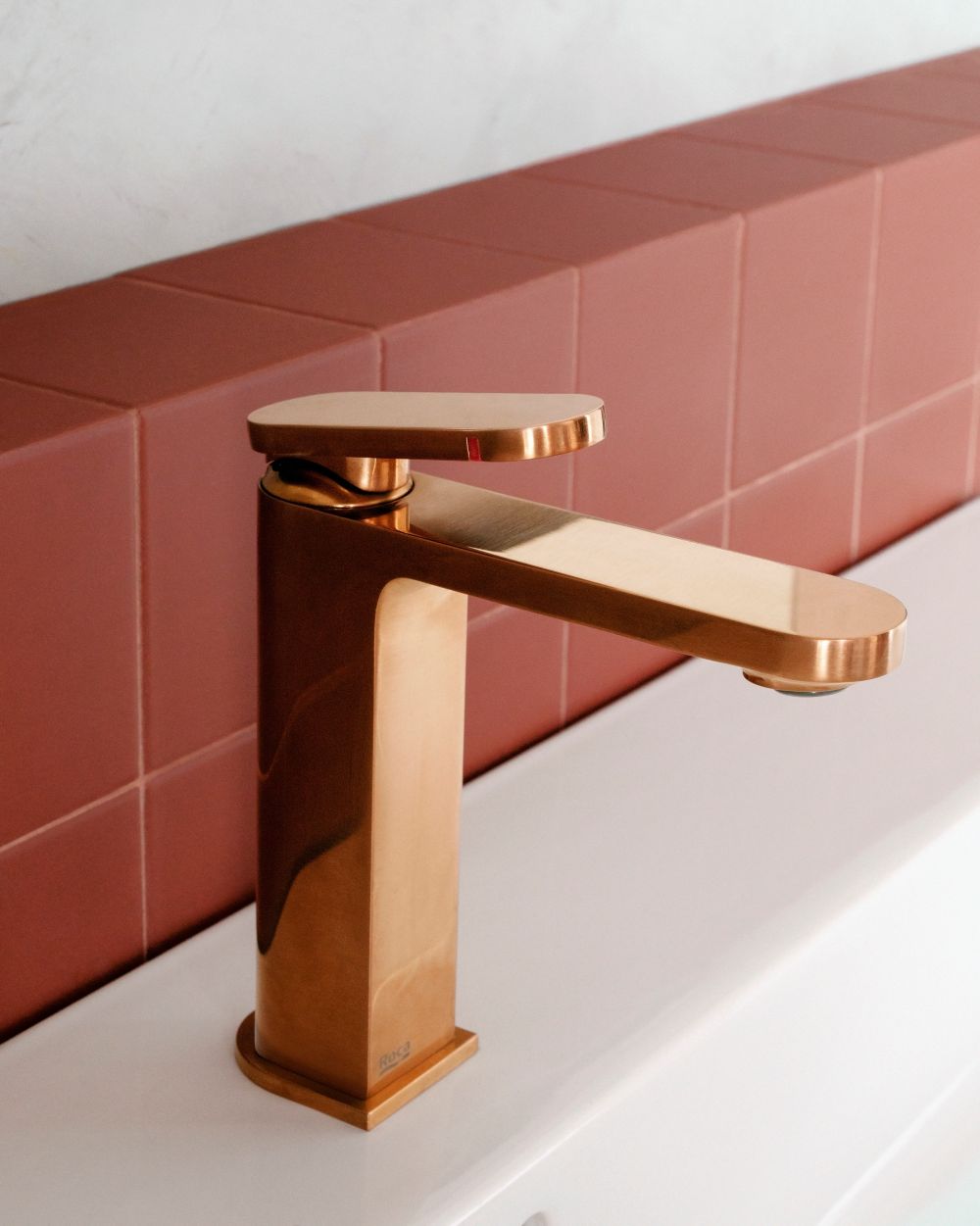
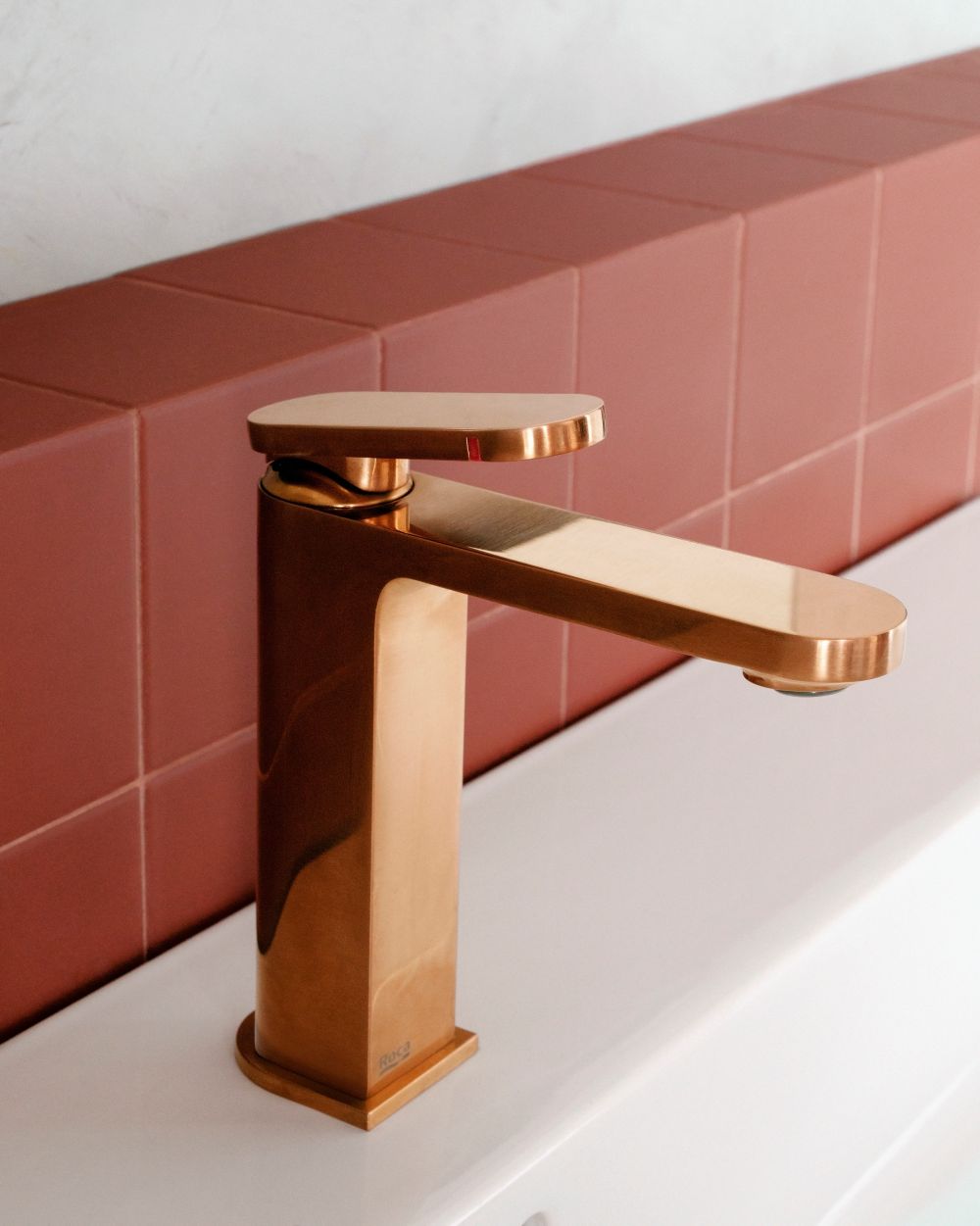
Ona basin mixer in brushed copper, adding warmth and depth through its refined finish
Together with finishes like chrome, matt black, matt white, brushed brass, and stainless steel, these faucet colors form a refined spectrum of tactile and visual experiences. Each surface interacts differently with light, texture, and material context. Sometimes blending seamlessly, sometimes creating a striking point of contrast. More than a visual choice, the right faucet finish defines how a bathroom feels, how it ages over time, and how it stands up to daily use—a crucial aspect of contemporary bathroom trends.
With this expanded palette, design becomes an exploration of atmosphere. From warmth to precision, reflection to depth. Because what we touch every day should not only perform beautifully, but last beautifully too.
Kay basin mixer in brushed graphite, defined by its subtle depth and contemporary tone
Every surface tells a story: through light, texture, and touch. With the introduction of brushed copper and brushed graphite faucet finishes, the palette expands into warmer and deeper tonalities, enriching bathroom interiors with subtle nuance.
Brushed copper faucets combine natural warmth with a refined, metallic sheen ideal for luxury bathroom renovations. Developed with the innovative PVD Everlux process, this finish combines exceptional durability and color stability with remarkable technical precision, making it perfect for high-use bathrooms. Its softly brushed surface conveys a discreet sense of luxury, evoking a timeless aesthetic that bridges contemporary and classic design environments alike.
Brushed graphite bathroom faucets, evolving from the previous gunmetal tone, introduce a more defined and contemporary expression for today’s designer bathroom projects. Its subtle reflections and muted depth create a calm, architectural presence. It brings a sense of balance and restraint to any space.
There are many surfaces we touch in a bathroom — but the faucet is where function, material, and human gesture come together in the most deliberate way. Tiles, cabinets, mirrors: they create the backdrop. Faucets, by contrast, are the point of contact. They are adjusted, held, turned — often several times a day. This makes the finish not just an aesthetic choice, but a haptic one.
A cool matt surface might signal clarity. A brushed tone might evoke softness. A glossy finish might lend a sense of precision. But beyond the physical touch, the finish also interacts with its surroundings — catching light, softening geometry, or providing visual counterpoints within the space. In contrast to polished stone or raw concrete, brushed or matt metal finishes introduce a softer, warmer touch. Against wood, it might introduce a precise, balancing accent.
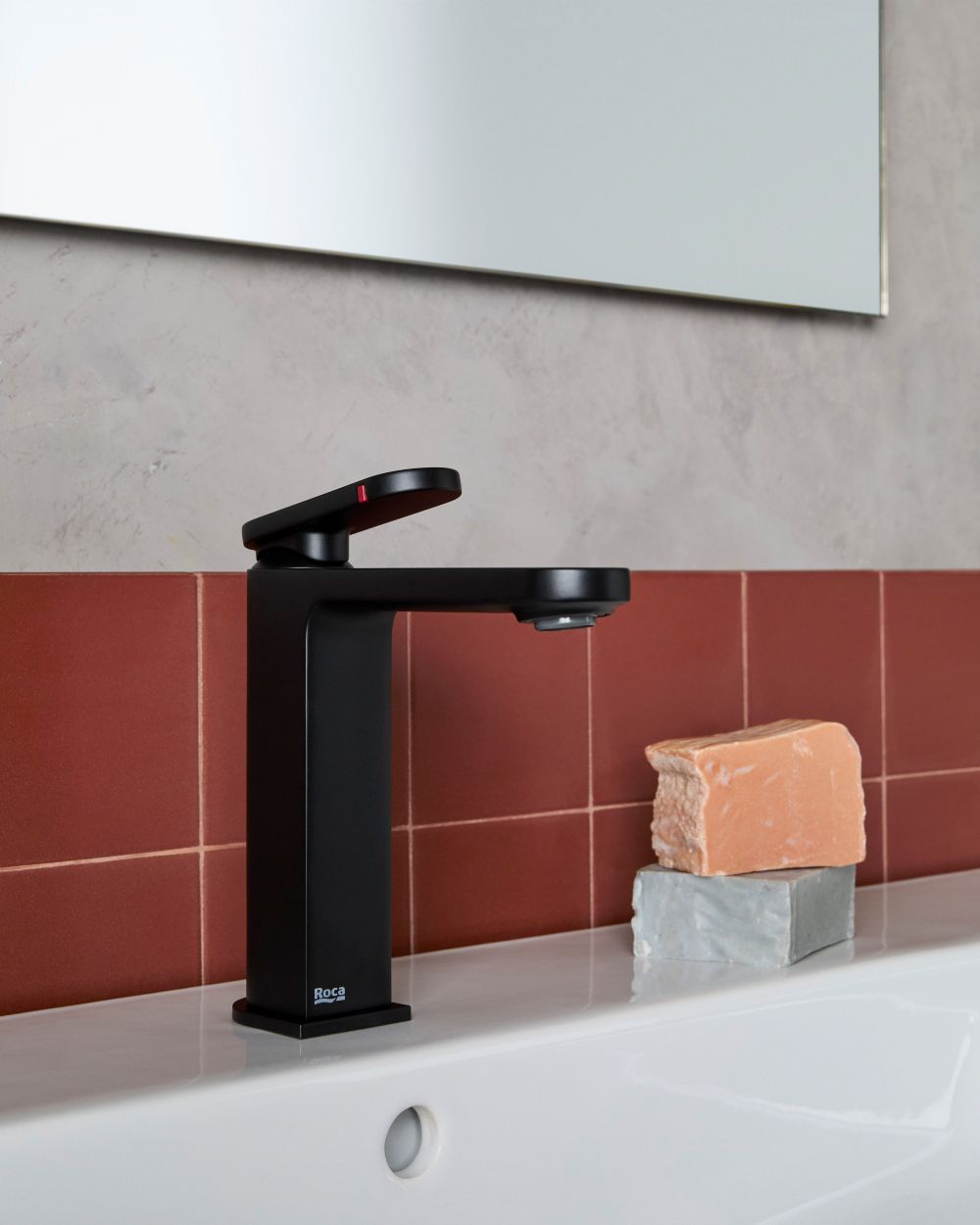
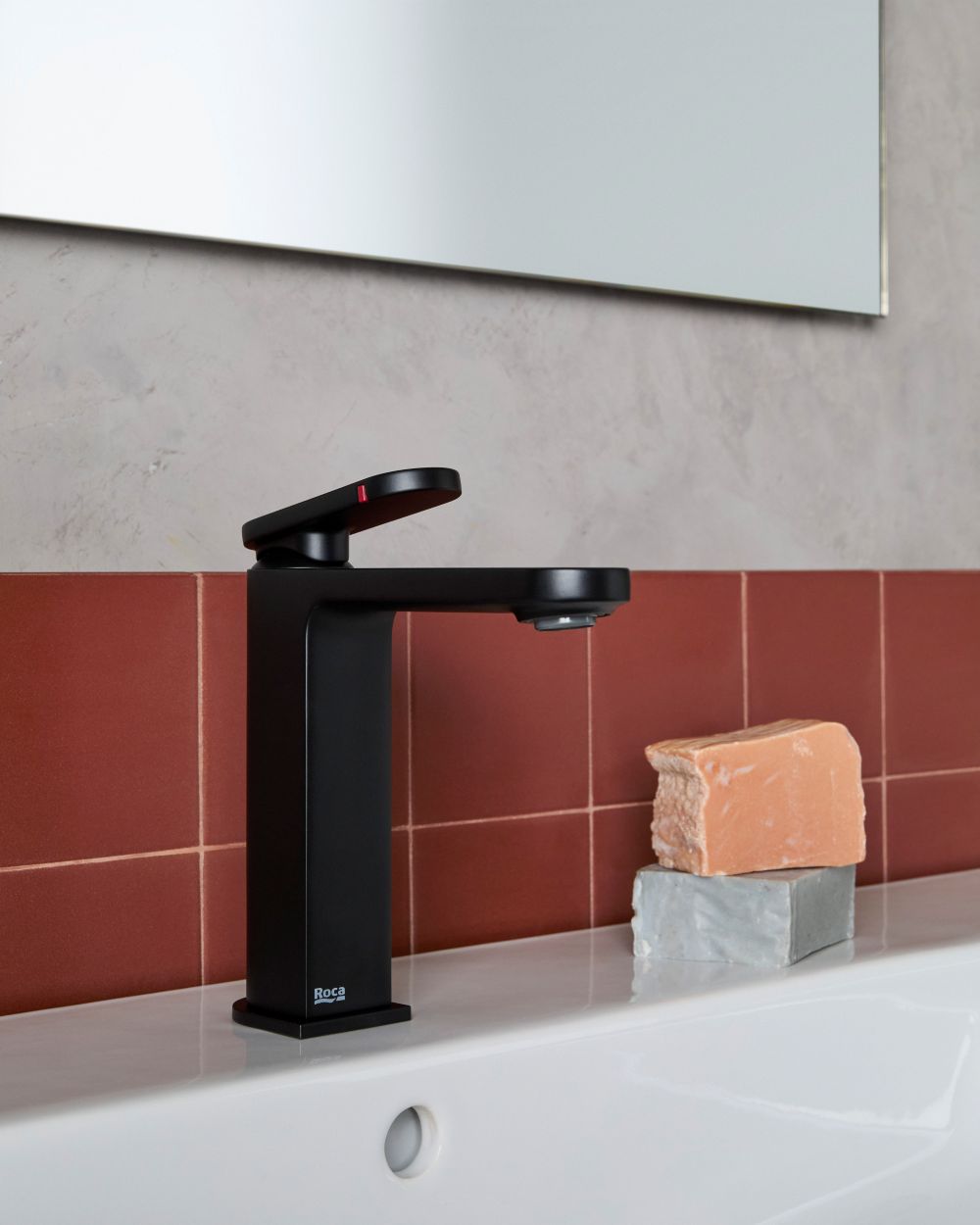
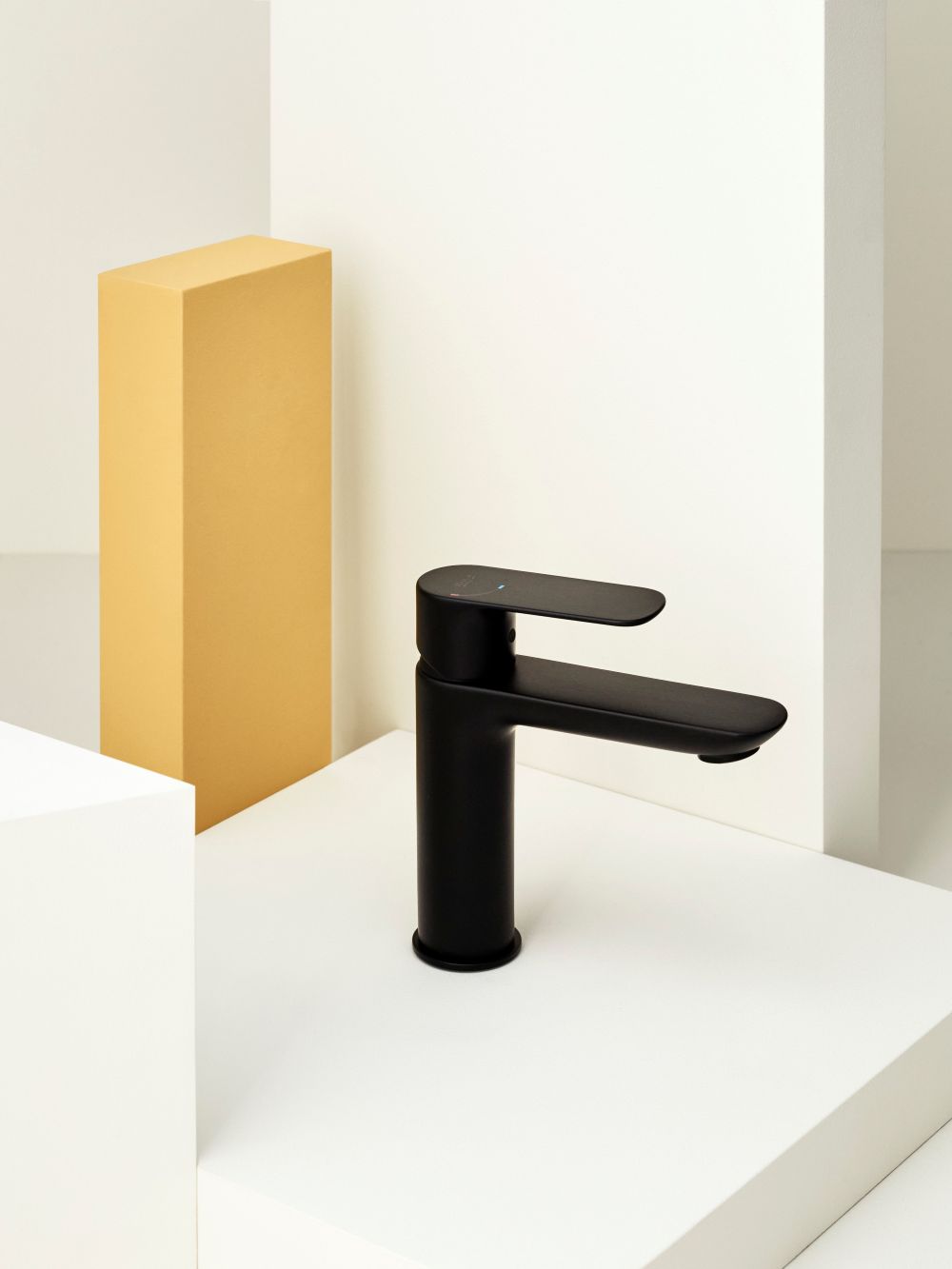
Cala basin faucet in matt black, defined by its soft geometry and understated finish
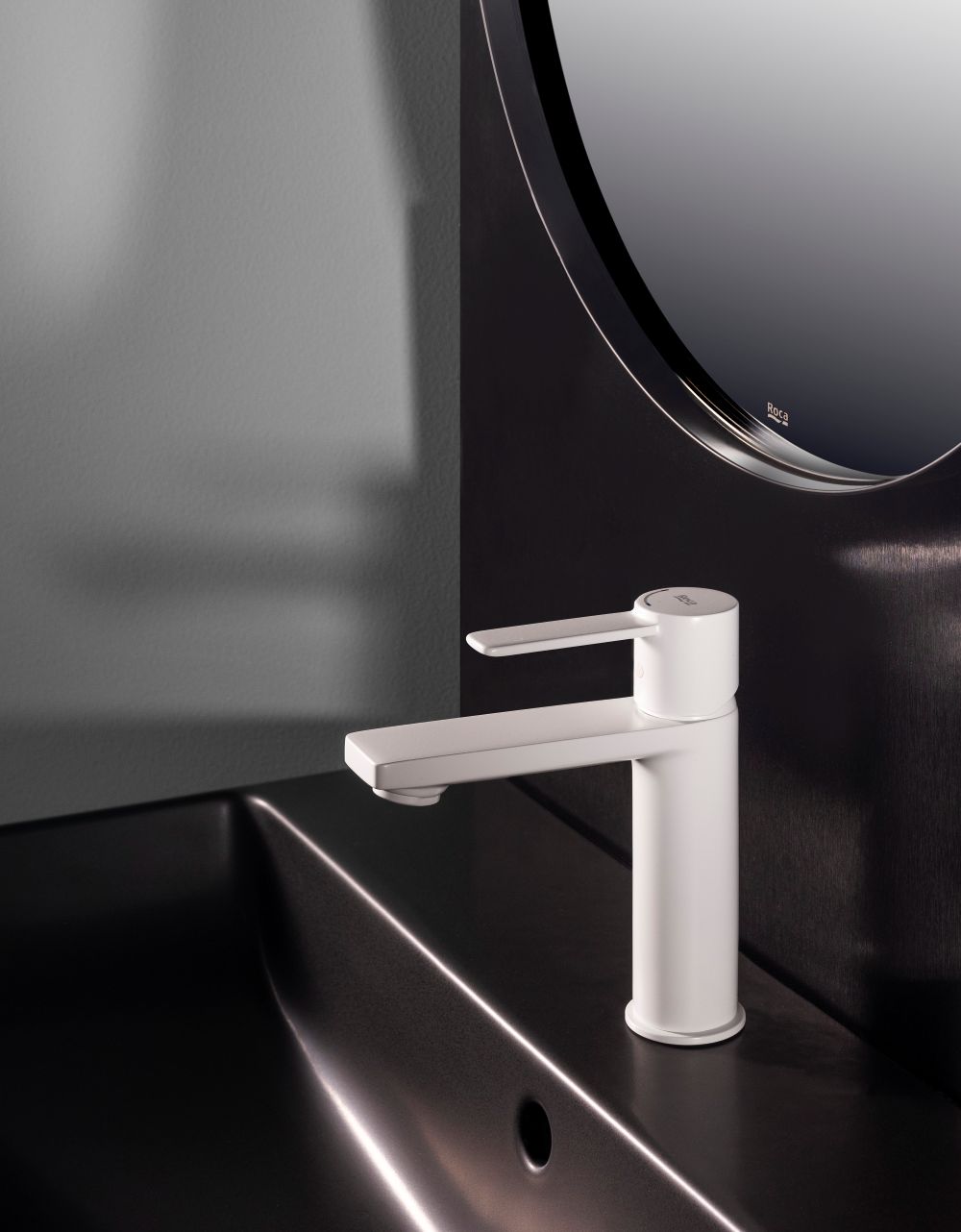
Targa basin faucet in white, with clean lines and a smooth, contemporary look
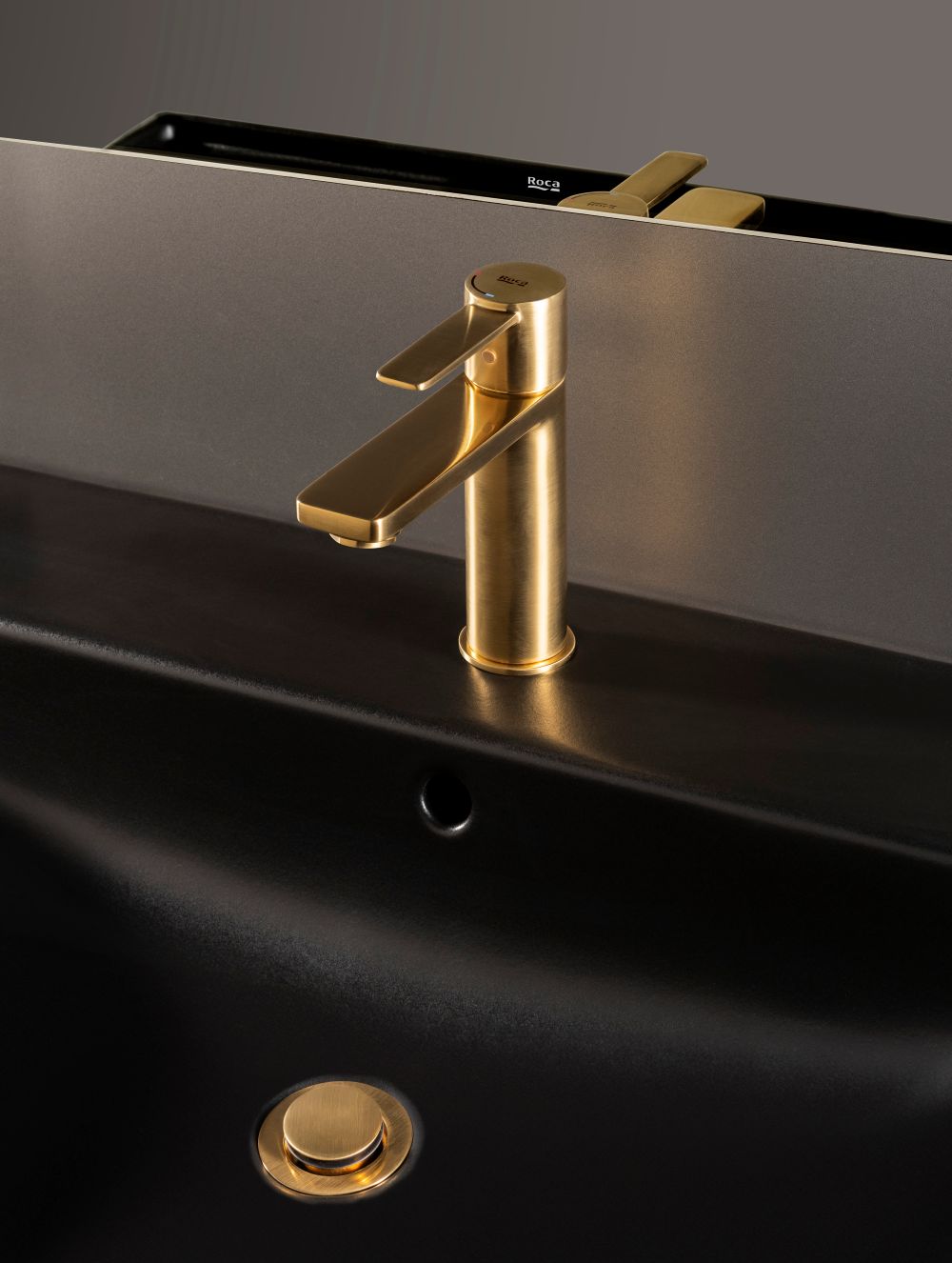
Targa basin faucet in brushed brass, highlighting its precise form and warm tone
Choosing the right finish is no longer a question of preference alone — it’s one of purpose. At home, a thoughtful finish adds warmth and tactility. In public or hospitality spaces, it becomes a quiet marker of care — a subtle sign that every detail has been considered. A finish communicates how much thought has gone into every aspect of the space.
The faucet is often among the final elements to be installed. Yer its finish is frequently one of the first things we notice — and one of the few we interact with so deliberately. In that sense, it’s not just a technical detail, but a sensorial moment. A visual decision. A tactile habit. A statement of design intent. Which is why, today more than ever, a bathroom without the right finish is not truly finished.
Ona built-in basin faucet in brushed brass, combining clean lines with a subtle, integrated look